How to get more Google reviews for your restaurant
 By Jero Shannon Published Updated
The problem isn't having a Google listing: it's that happy customers don't leave reviews because nobody asks at the right moment. Five keys that work.
Almost every restaurant in Mallorca already has a Google Business listing. The problem isn't having one: it's that most customers who leave happy simply don't write a review — not because they don't want to, but because nobody asks them at the right moment. Meanwhile, the person who does remember to write is often the one who had a bad night. The result is a listing with few reviews, some of them old, and a rating that doesn't reflect what really happens in your dining room.
Why reviews matter so much for a restaurant
When a tourist searches for “restaurant in Pollença” or a resident looks up “where to eat in Santa Catalina”, Google shows a map with a handful of venues, and reviews count at two points. First, in who appears: volume, frequency and replies are part of what Google treats as prominence. Second, in who the customer picks: between three similar restaurants, the one with recent, detailed reviews and replies from the owner wins. If you want the other factors that decide the map, we cover them in the Google listing mistakes that push you off the map.
The good news is that getting more reviews doesn't rely on tricks. It relies on asking properly, asking everyone, and making it easy for the customer. These are the five keys that work.
1. The moment matters more than the method
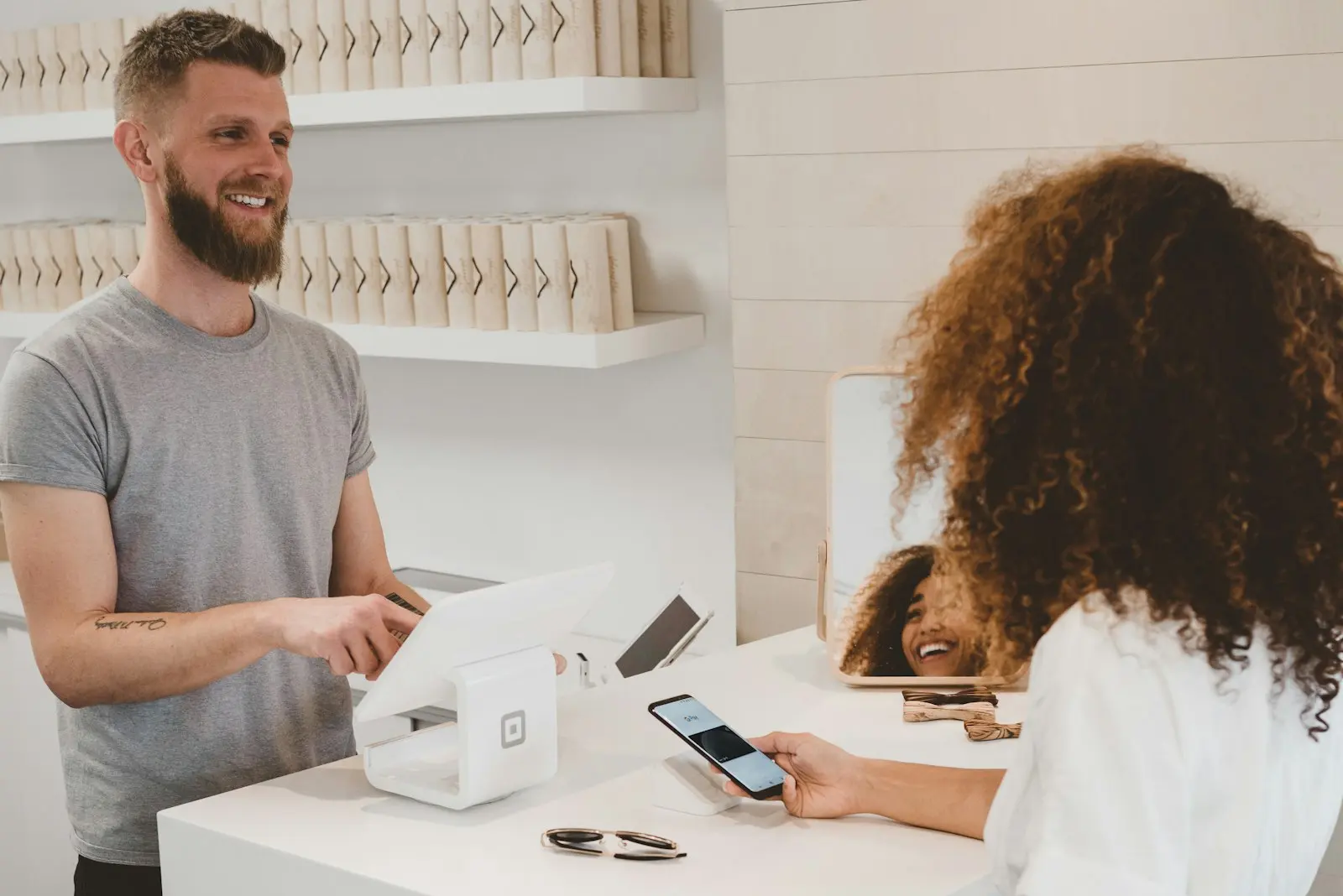
Asking for a review by email the next day almost never works; the customer has moved on, to the beach or onto the flight home. The highest-converting moment is right when they pay — they've just lived the experience, they're happy, and the phone is in their hand.
In practice, that means the request has to be at the till or arrive with the bill. A waiter who says, while taking payment, “if you enjoyed it, it really helps us if you say so on Google” and points to where gets further than any follow-up campaign. In venues with lots of tourists, the request also needs to make sense in English and German; a sign only in Spanish leaves out a good share of your tables.
2. Reduce friction to a single tap
The more steps the customer has to take — search for your business on Google, find the review button, spell the name right — the fewer reviews you get. And Mallorca adds a twist: plenty of venues have similar names, or several listings with near-identical names in the same village, so a well-meaning customer lands on the wrong listing or gives up.
The fix is a direct link to your listing's review form, which you can get from the Google Business dashboard itself. That link can go on the bill, on a small sign by the till or, better still, on an NFC chip by the till that opens it with a tap. Compared with asking out loud and hoping the customer finds you on their own, the difference is huge.
3. Ask, don't demand — and ask everyone
A “5 stars or nothing” sign puts people off; a simple “Would you leave us your opinion on Google? It helps us a lot” works better. And there's a line you shouldn't cross: the request has to be the same for every customer. Google doesn't allow asking only happy customers, or filtering first with an internal survey so that only the satisfied ones get sent to Google.
Nor can you offer anything in return: no free shot, no discount on the next visit, no prize draw. However harmless it seems, it breaks Google's policies and can end with reviews removed or warnings on the listing. The good news is you don't need to. If the service went well and you make it easy, most customers who want to help you will.
4. Reply to every review
Google takes into account whether a business replies to its reviews, good and bad, and readers take it into account even more. A polite reply to a 3-star review builds more trust in the next reader than ten unanswered 5-star ones, because it shows how you react when something isn't perfect.
A few simple rules: reply within a day or two, in the language the customer wrote in, and never copy-paste the same line. To the good ones, say thanks and mention something specific they wrote. To the bad ones, say thanks all the same, acknowledge the point without excuses and, if you've changed something, say so. Never argue in public. If a review is clearly fake or offensive, report it from the listing, but reply calmly while it's still visible.
5. Measure what works
If you don't know how many new reviews arrive each month or from which table or chip, you can't improve. It's enough to note once a month how many new reviews you've had and compare it with what you changed: the new sign, the chip by the till, the line the waiting staff use when taking payment. If something doesn't move the number within a few weeks, move it or change it.
With TapMallorca we generate the direct link to your Google listing automatically and you see how many taps each reviews chip gets, by day and by hour. So you know whether it works better at the till or at the bar, and which shift uses it most.
Common mistakes we see in restaurants
The first is asking for reviews for one week and forgetting about it for the rest of the season; recent reviews carry more weight than old ones, so consistency matters more than a one-off push. The second is leaving the job to the owner alone, when the people with the customer at payment are the floor staff: explain why it matters and give them the line. The third is replying only to the bad reviews, as if the good ones didn't deserve attention. And the fourth is never checking the listing: getting reviews doesn't help much if the seasonal hours are wrong or the photos are years old.
A simple plan to start this week
Get the direct link to your review form and test it from your own phone. Put it where the customer pays, in your customers' languages. Agree a short line with the team to ask every table in the same way. Set aside twenty minutes a week to reply to reviews. And at the end of the month, check how many arrived and what changed. If you also want your listing and your website working together to get you onto the map, we explain how in how to rank your business on Google in Mallorca; and if you'd rather start with a diagnosis, audit your website for free.
Keep reading
Related articles